

What Is Pilates? Benefits, Methods, and How to Start
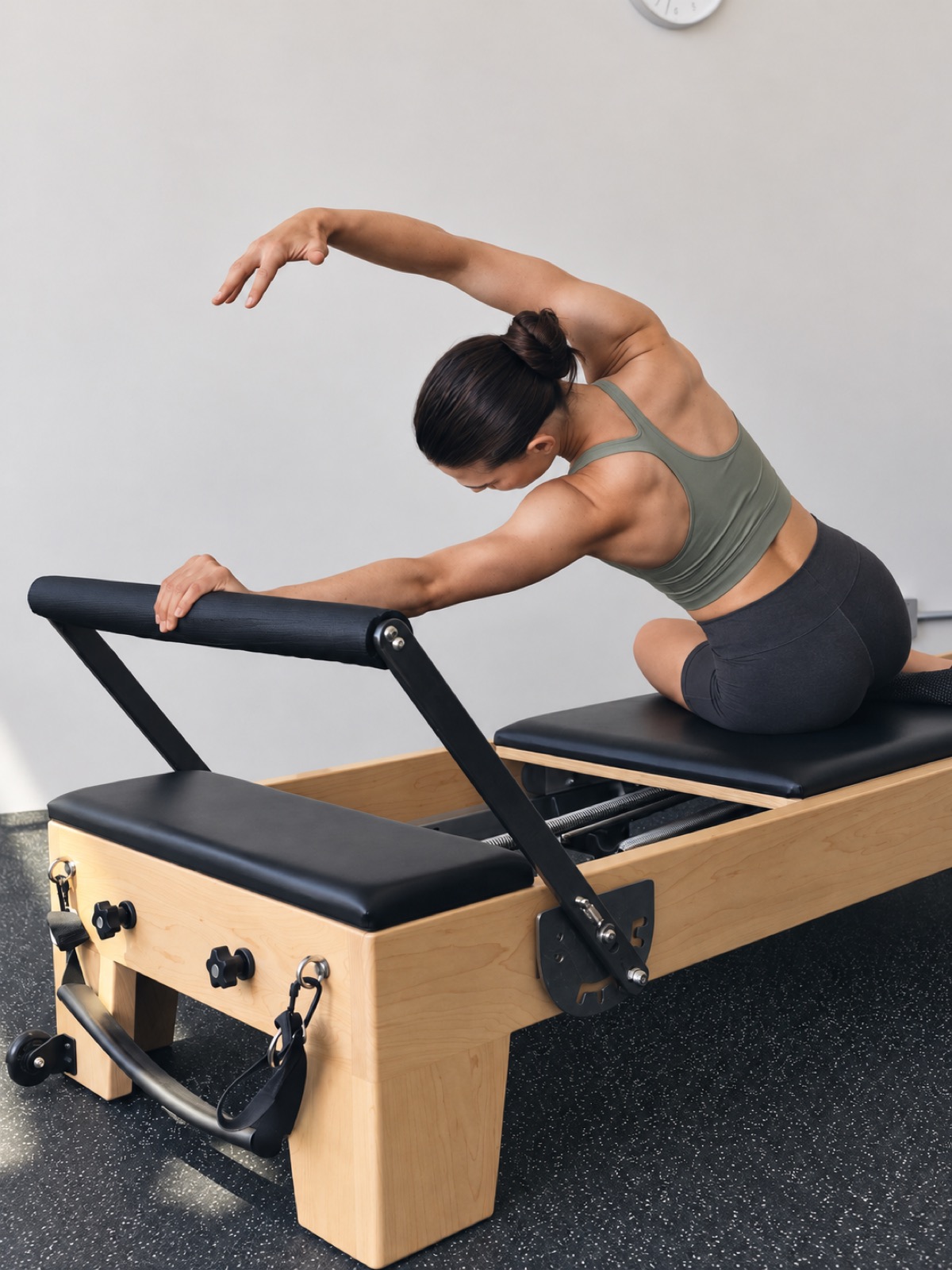
Pilates is a low-impact, full-body exercise method built around controlled movement, breathing, alignment, and core stability. It can be practiced on a mat or with spring-based equipment, and it can be adapted for beginners, experienced exercisers, athletes, and many people returning to movement.
What does Pilates actually train?
Pilates is often described as a core workout, but that is only part of the picture. A well-designed session coordinates the trunk, hips, legs, back, shoulders, and arms. The aim is not to isolate one muscle or complete as many repetitions as possible. It is to organize the whole body so that force is transferred efficiently and unnecessary tension is reduced.
The “core” in Pilates includes more than the visible abdominal muscles. It also involves deeper stabilizers around the spine and pelvis, together with the pelvic floor, diaphragm, back muscles, and hip musculature. These structures work as a system while the limbs move.
Breathing
Breath supports concentration, rib-cage mobility, and efficient muscle recruitment.
Centering
Movement is organized around a stable trunk rather than generated by momentum.
Control
Each phase of an exercise is performed deliberately, including the return.
Precision
Alignment and movement quality matter more than high repetition counts.
Concentration
Attention stays on what the body is doing and where effort is coming from.
Flow
Exercises connect with a steady rhythm instead of feeling abrupt or forced.
A brief history of Pilates
Joseph Pilates developed the foundations of the method in the early twentieth century after studying multiple approaches to physical conditioning. He later called his system “Contrology,” reflecting the idea that the mind should guide purposeful, coordinated movement.
After moving to New York, Joseph and Clara Pilates opened a studio that became popular with dancers and performers. Mat exercises were central to the method, while spring-based apparatus expanded the ways a movement could be assisted, resisted, or taught.
Modern Pilates includes both classical schools that preserve traditional sequences and contemporary approaches informed by current exercise science and rehabilitation practice. The teaching styles may differ, but controlled movement, alignment, and whole-body integration remain central.
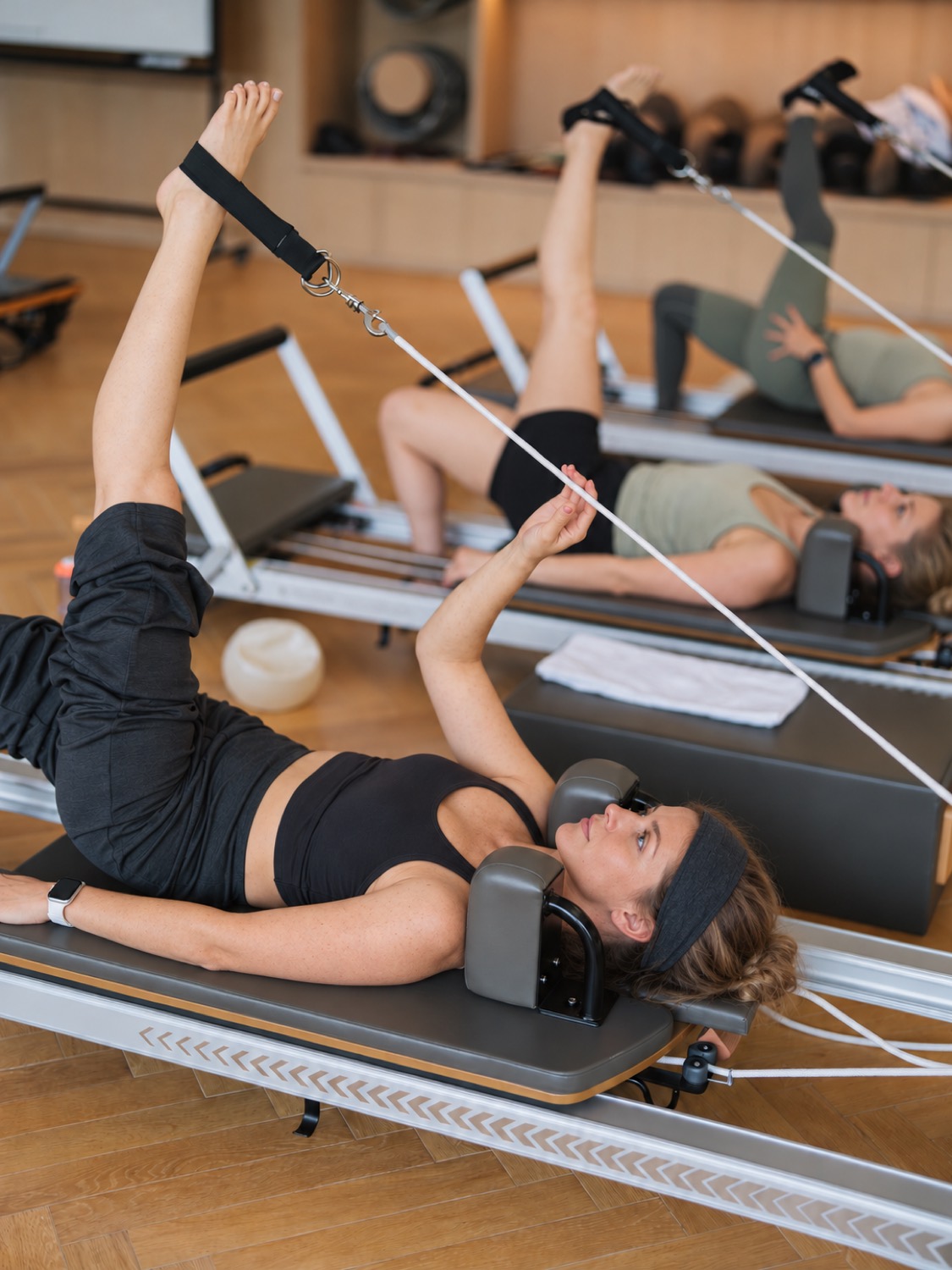
What are the potential benefits of Pilates?
Research on Pilates continues to develop, and outcomes vary with program design, frequency, instructor quality, and the individual. With appropriate instruction and consistent practice, common training goals include the following.
Core strength and trunk stability
Exercises challenge the body to keep the pelvis and spine organized while the arms and legs move.
Posture and body awareness
Repeated attention to the ribs, pelvis, head, and shoulder blades can improve awareness of everyday movement habits.
Mobility with control
Pilates combines flexibility work with active control, helping practitioners use a range of motion rather than simply stretch into it.
Balance and coordination
Many exercises require different parts of the body to move independently while the trunk remains stable.
Low-impact resistance training
Body weight and springs can challenge muscles without the repeated impact associated with running or jumping.
Focused, mindful movement
Coordinating breath with precise movement creates a practice that many people find mentally engaging and calming.
Mat Pilates vs. reformer Pilates
Both formats teach the same broad ideas, but they create different learning experiences. Neither is automatically more advanced or more effective; the better choice depends on your goals, access, and preferred type of feedback.
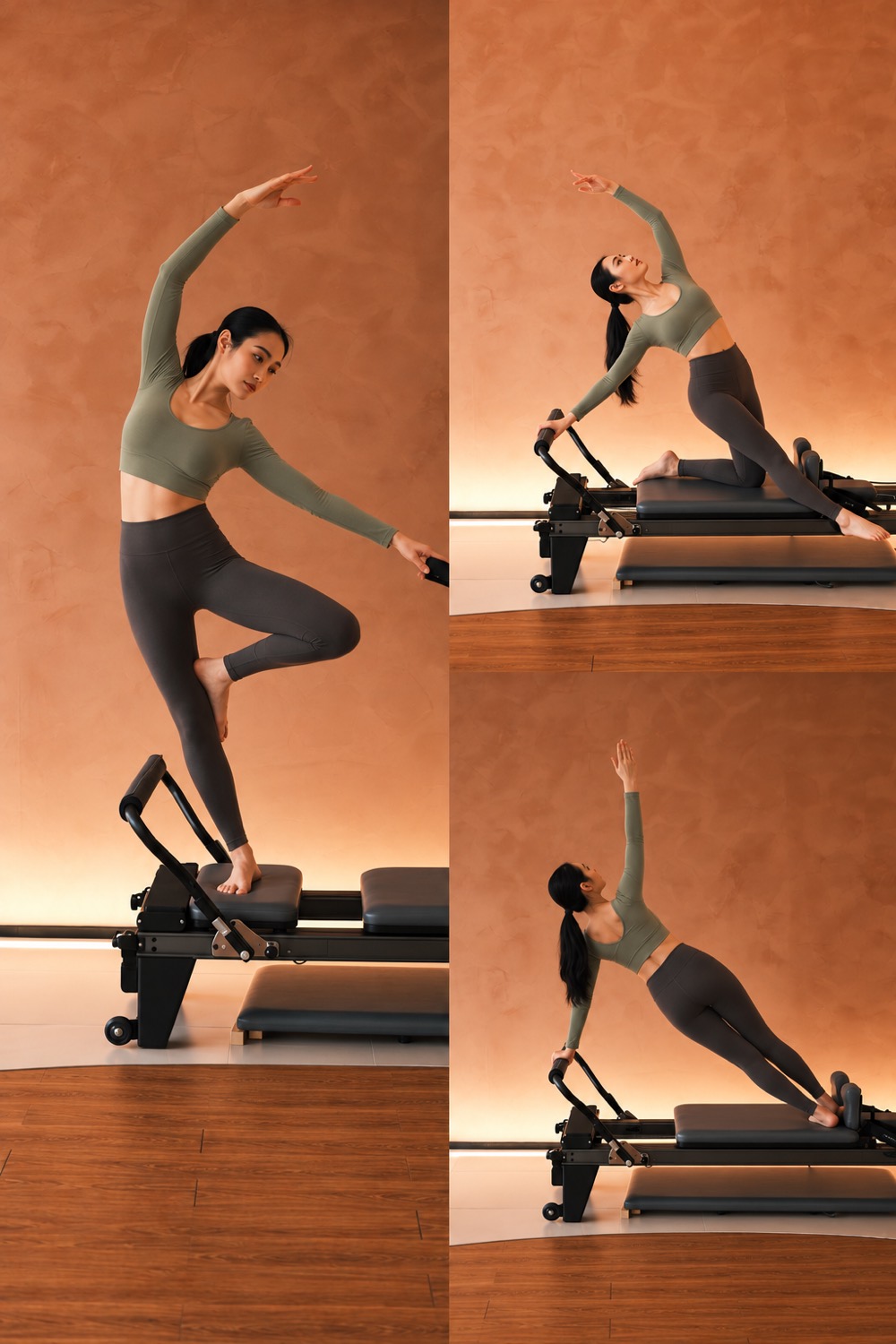
| Factor | Mat Pilates | Reformer Pilates |
|---|---|---|
| Resistance | Body weight and gravity, sometimes with small props | Adjustable springs, straps, carriage, and body weight |
| Feedback | Requires strong internal body awareness | The machine provides tactile and directional feedback |
| Accessibility | Easy to practice at home or in a group class | Usually requires studio equipment and instruction |
| Exercise options | Foundational repertoire with minimal setup | Wide range of supported and resisted variations |
| Best fit | Portable, affordable practice and fundamental control | Guided progression, added resistance, or equipment-based variety |
For a closer look at the machine and its components, read What Is a Pilates Reformer? A Buyer-Focused Guide. Studio owners comparing equipment configurations can also explore the Pilates reformer range.
How is Pilates different from yoga?
Pilates and yoga can both improve body awareness and involve deliberate breathing, but they come from different traditions and organize practice differently.
Pilates generally emphasizes precise repetition, trunk stability, alignment, and controlled transitions. It may use specialized apparatus. Yoga is an older discipline with philosophical and spiritual roots; physical yoga practices commonly use held or flowing postures alongside breathing and, in many traditions, meditation.
The two practices are not competitors. Someone may choose Pilates for equipment-based resistance and movement control, yoga for its posture and contemplative traditions, or use both as complementary forms of training.
How to start Pilates safely
- 1
Define your goal
Decide whether you want general conditioning, improved movement awareness, cross-training, or support for a clinician-approved recovery plan.
- 2
Choose the right setting
A beginner mat class is accessible, while a private or small-group reformer session can provide more individualized feedback.
- 3
Check the instructor’s training
Look for comprehensive education, clear cueing, appropriate progressions, and a willingness to ask about your history and goals.
- 4
Learn the foundations first
Breathing, pelvic position, rib-cage control, and shoulder-blade organization matter more than performing an advanced-looking exercise.
- 5
Build a sustainable routine
One or two focused sessions per week can be a practical starting point. Increase frequency only when technique and recovery remain consistent.
Frequently asked questions
Is Pilates suitable for complete beginners?
Yes. Exercises can be simplified, supported, or progressed. A beginner-specific class or introductory private session is the best way to learn the basic positions and breathing patterns.
Do I need a reformer to practice Pilates?
No. Mat Pilates is a complete method in its own right. A reformer adds adjustable spring resistance and movement feedback, but it is not required to begin.
Is Pilates strength training?
Pilates is a form of resistance training, especially when springs or challenging body-weight positions are used. Its loading profile differs from conventional weight training, so the two can complement each other.
How often should a beginner practice?
Consistency matters more than an aggressive schedule. Many beginners start with one or two sessions per week and adjust based on goals, recovery, and other activities.
Should Pilates hurt?
Muscular effort is expected, but sharp, radiating, or worsening pain is not. Stop the movement and seek qualified guidance if pain occurs.
The essential idea
Pilates teaches you to create strength without losing alignment, mobility, or awareness. Whether you begin on a mat or a reformer, progress comes from the quality of each repetition—not from rushing toward the hardest variation.