How Much Does It Cost to Open a Pilates Studio in 2026?
Opening a Pilates studio can be one of the most rewarding investments in the fitness and wellness industry. Demand for Pilates continues to grow worldwide as more consumers seek low-impact, results-driven training for strength, mobility, rehabilitation, and overall wellness.
However, one question remains at the center of every new studio owner's decision-making process:
How much does it actually cost to open a Pilates studio?
The answer depends on several factors, including your location, business model, studio size, equipment selection, and long-term growth strategy.
This guide breaks down the real costs of opening a Pilates studio, highlights common mistakes new owners make, and explains how to maximize your return on investment from day one.
The Biggest Mistake New Studio Owners Make
Many first-time studio owners assume that opening a Pilates studio is simply a matter of finding a location and purchasing a few reformers.
In reality, successful studios are built around a carefully balanced investment strategy.
The most common mistakes include:
- Underestimating equipment requirements
- Choosing home-use equipment for commercial environments
- Overspending on non-essential renovations
- Failing to plan for future growth
- Ignoring maintenance and replacement costs
Key Insight
The goal is not to build the cheapest studio possible. The goal is to build a studio that generates sustainable revenue while delivering an exceptional client experience.
What Does It Really Cost to Open a Pilates Studio?
Most Pilates studio startup budgets can be divided into five major categories.
| Category | Typical Share of Budget |
|---|---|
| Equipment | 30% - 45% |
| Rent & Deposit | 20% - 30% |
| Interior Build-Out | 15% - 25% |
| Software & Operations | 3% - 8% |
| Marketing & Launch | 5% - 10% |
While rent and location vary significantly between cities, equipment remains one of the largest and most controllable investments.
Choosing the right equipment from the beginning can significantly impact your profitability, maintenance costs, and client retention over the long term.
Pilates Equipment Cost Breakdown
Equipment typically represents the largest single investment when opening a Pilates studio. The amount you invest should be based on your business model rather than simply the available space.
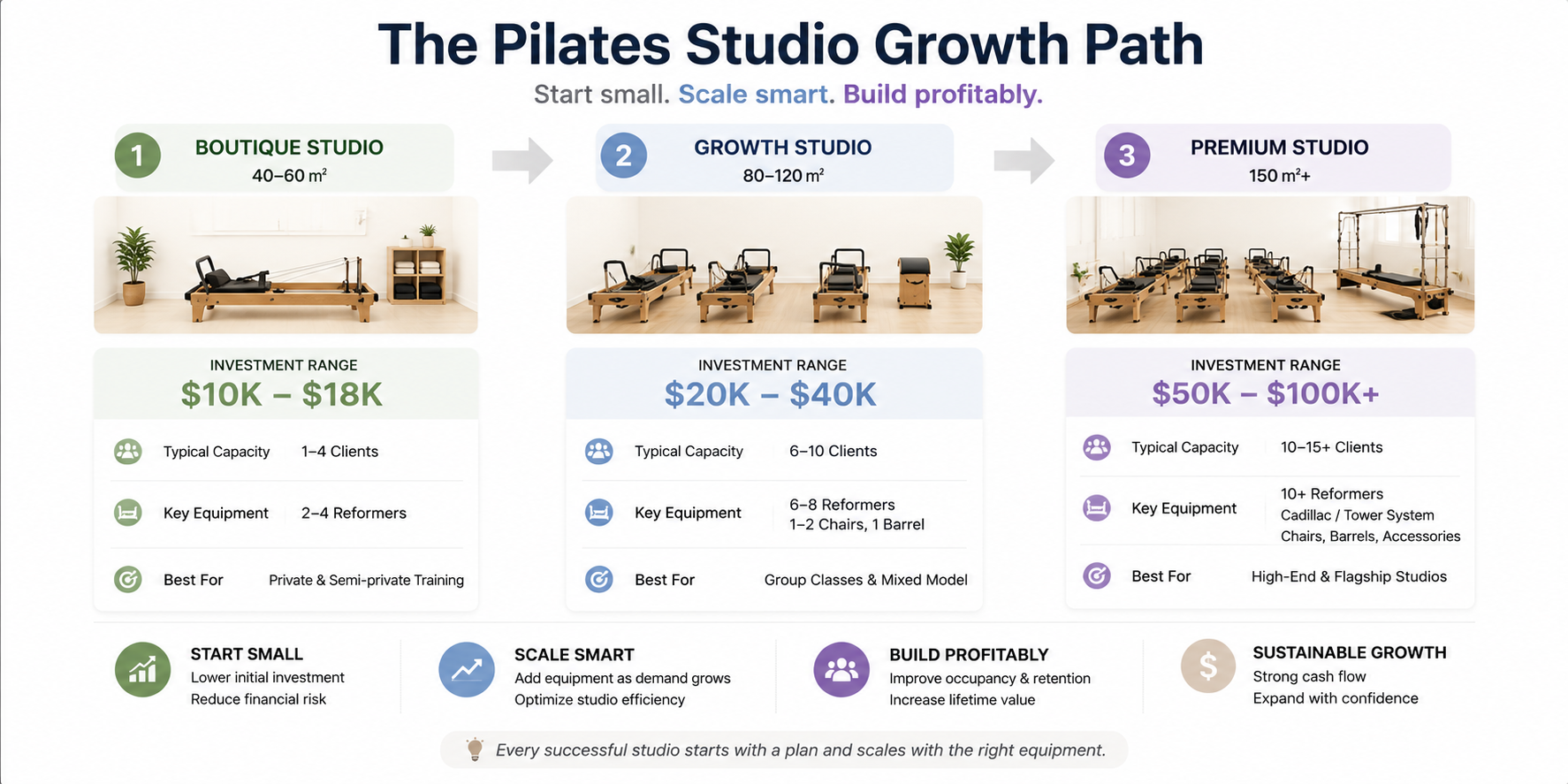
Boutique Studio (40-60 sqm)
Ideal for:
- Private training
- Semi-private sessions
- Rehabilitation-focused studios
Typical Equipment Setup:
- 2-4 Reformers
- Small accessories (rings, balls, resistance bands)
- Storage solutions
Estimated Equipment Investment: $10,000 - $18,000
This model is often chosen by first-time studio owners because it requires lower upfront investment while maintaining premium pricing potential.
Growth Studio (80-120 sqm)
Ideal for:
- Small group classes
- Mixed private and group training
- Growing fitness businesses
Typical Equipment Setup:
- 6-8 Reformers
- 1-2 Wunda Chairs
- 1 Ladder Barrel
- Studio accessories
Estimated Equipment Investment: $20,000 - $40,000
This is currently the most popular Pilates studio model globally because it balances scalability and profitability.
Premium Studio (150 sqm+)
Ideal for:
- Flagship studios
- Multi-service wellness centers
- Premium urban locations
Typical Equipment Setup:
- 10+ Reformers
- Cadillac/Tower systems
- Chairs
- Barrels
- Full accessory collection
Estimated Equipment Investment: $50,000 - $100,000+
Premium studios focus on creating a comprehensive Pilates experience while maximizing client capacity.
Common Equipment Purchasing Mistakes
Many studio owners focus exclusively on purchase price. This often leads to significantly higher costs later.
Buying Home Equipment for Commercial Use
Home-use reformers are not designed for 8-10 hours of daily operation. Commercial studios require equipment capable of handling hundreds of sessions every month.
Choosing Based on Price Alone
The lowest-priced reformer is rarely the lowest-cost reformer over its lifetime. Downtime, repairs, and replacement costs can quickly exceed the initial savings.
Ignoring Spare Parts Availability
When a spring, rope, or pulley fails, your ability to source replacement parts quickly becomes critical. A reformer that sits unused generates zero revenue.
Underestimating Maintenance Costs
Maintenance requirements vary significantly between manufacturers. Equipment designed for commercial use should minimize service interruptions and simplify routine maintenance.
Why Commercial-Grade Equipment Matters
Commercial Pilates equipment is engineered to withstand intensive daily use while maintaining consistent performance, safety, and reliability.
Unlike home-use reformers, commercial models are designed for thousands of training sessions each year and must deliver a smooth, stable experience for both instructors and clients.
When evaluating commercial equipment, focus on the following factors:
Frame Construction & Structural Integrity
The frame serves as the foundation of the reformer. Commercial-grade models feature solid hardwood, anodized aircraft-grade aluminum, and reinforced connection points for long-term durability under heavy studio traffic.
Spring Resistance System
The spring system determines how the reformer feels during every exercise. High-quality commercial springs provide consistent resistance, predictable tension, and long service life, remaining stable even after thousands of cycles.
Smooth & Stable Carriage System
The carriage is the moving platform clients interact with during every workout. Premium systems offer smooth travel, excellent stability, minimal vibration, and precise alignment for optimal client comfort and equipment longevity.
Bearing & Wheel Technology
Many performance issues originate from poor bearing systems. Commercial-grade reformers feature precision bearings, multi-wheel support systems, and wear-resistant materials to maintain smooth movement over time.
Noise Reduction Technology
Modern studios increasingly prioritize quiet training environments. Premium reformers use silent bearings, precision wheel assemblies, and low-friction carriage systems to reduce operational noise and enhance the client experience.
Maintenance & Spare Parts Support
Even the best equipment requires occasional maintenance. Before purchasing, evaluate spare parts availability, warranty coverage, technical support, and maintenance requirements. Reliable after-sales support often has a greater impact on long-term operating costs than the initial purchase price.
How Many Reformers Do You Really Need?
One of the most common questions new owners ask is: "How many reformers should I buy?" The answer depends on your available space and business model.
| Studio Size | Recommended Reformers |
|---|---|
| 40 sqm | 2 - 3 |
| 60 sqm | 4 |
| 80 sqm | 5 - 6 |
| 100 sqm | 6 - 8 |
| 150 sqm | 10 - 12 |
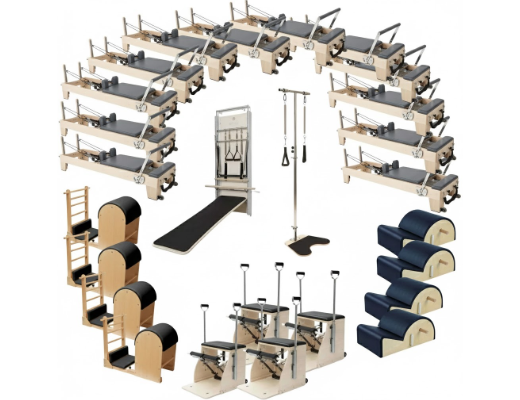
When planning your layout, remember that instructors need enough room to move safely around each machine. A crowded studio often leads to a poorer client experience and reduced operational efficiency.
How Long Does It Take to Break Even?
The answer depends on five key variables:
- Equipment investment
- Rent and occupancy costs
- Class pricing
- Studio utilization rate
- Instructor compensation
Scenario A: Growth Studio
Equipment Investment Recovery: 6 - 12 months
Scenario B: Boutique Private Studio
Equipment Investment Recovery: 8 - 18 months
Equipment usually pays for itself much faster than the overall business. It is important to distinguish between recovering equipment investment and recovering total studio startup investment.
Hidden Costs Most Buyers Forget
Many startup budgets overlook ongoing operational expenses.
| Hidden Cost | Why It Matters |
|---|---|
| Replacement Springs | Springs wear over time and require periodic replacement |
| Ropes & Pulleys | High-frequency use accelerates wear |
| Equipment Maintenance | Regular inspections help prevent larger failures |
| Shipping Damage | Proper packaging and supplier support are essential |
| Downtime | Lost classes often cost more than replacement parts |
One of the most important lessons experienced studio owners learn is: The cheapest reformer is rarely the most affordable reformer.
How to Reduce Startup Costs Without Sacrificing Quality
Reducing startup costs does not mean sacrificing performance. Instead, focus on strategic investment.
Start with Core Equipment
Prioritize reformers first. Additional equipment can be added as your membership base grows.
Work Directly with Manufacturers
Factory-direct sourcing often provides better pricing, more customization options, faster spare parts support, and greater supply chain stability.
Choose Commercial Equipment from Day One
Replacing home-use equipment after six months is far more expensive than investing correctly from the beginning.
Free Pilates Studio Planning Checklist
Before making any purchasing decisions, every studio owner should prepare:
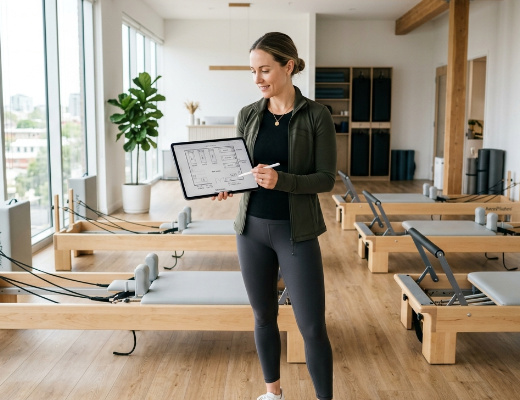
Equipment Budget Worksheet
Studio Layout Plan
Equipment Selection Checklist
Revenue & ROI Projection Model
Maintenance Planning Guide
Spare Parts Strategy
Having these documents in place dramatically reduces startup risk.
Planning a Pilates Studio?
Whether you are opening your first boutique studio or expanding a multi-location operation, careful planning is the key to long-term success.
At Anavo Pilates, we work with studio owners, distributors, and fitness entrepreneurs worldwide to help them:
- Design efficient studio layouts
- Select the right equipment configuration
- Source commercial-grade Pilates equipment
- Build scalable studio operations
- Access spare parts and after-sales support
- Develop OEM and private label projects
Our goal is simple: Help studio owners build profitable Pilates businesses with confidence.